
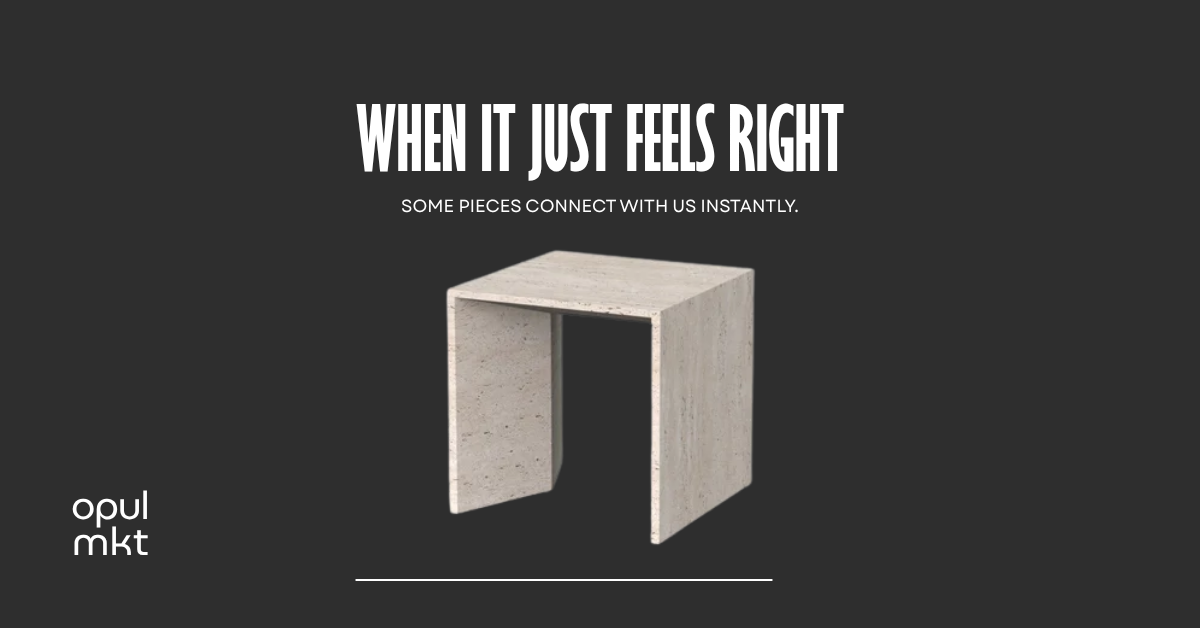
The psychology of interior design is a complex and multifaceted field that seeks to understand the emotional and cognitive responses people have to different environments. At its core, it's about creating spaces that not only look beautiful but also feel right, evoking a sense of comfort, tranquility, and joy. This is particularly evident in the realm of luxury interior design, where every element, from color psychology to spatial design, is carefully considered to craft an intentional and emotionally resonant space.
For those who have ever walked into a room and instantly felt at home, or seen a piece of furniture that seemed to speak to them on a deep level, it's clear that there's more to interior design than just aesthetics. The psychology behind why a piece feels right immediately is rooted in various factors, including personal experiences, cultural background, and even biophilic design principles that connect us with nature. Understanding these elements can help designers and homeowners alike make more informed decisions about their spaces, ultimately leading to environments that support mental health and wellbeing.
Emotional Connections in Interior Design
Emotional interior design is about creating spaces that resonate with the occupants on an emotional level. This can be achieved through the use of certain colors, known as color psychology in interior design, which can influence mood and behavior. For instance, the strategic placement of mirrors can not only make a room appear larger but also create the illusion of more natural light, impacting the overall ambiance of the space. Furthermore, incorporating elements of biophilic interior design, such as living walls or large windows overlooking nature, can enhance the sense of connection to the outdoors, promoting a sense of calm and reducing stress.
Home design psychology also plays a crucial role in shaping our experiences and interactions within a space. The layout, the choice of furniture, and even the lighting can significantly influence how we feel and behave in our homes. Luxury interior design, in particular, focuses on creating bespoke environments that cater to the unique needs and preferences of the individual, often incorporating high-quality materials and meticulous attention to detail to ensure a sense of opulence and sophistication.
Intentional Design for Wellbeing
Intentional interior design is about making conscious decisions to create spaces that support our wellbeing. This involves considering the psychological impact of every design element, from the spatial design that dictates how we move through a space to the selection of materials and textures that can evoke tactile sensations. By understanding the psychology of interior design and applying these principles, we can craft environments that are not only visually stunning but also conducive to mental health and happiness.
For professionals and individuals looking to delve deeper into the world of interior design, Opul Mkt offers a wealth of resources and inspiration. With a focus on luxury and intentional design, the platform provides access to a curated selection of high-end furniture, lighting, rugs, art, and decor, along with expert insights and guidance on how to create spaces that reflect personal style and promote wellbeing.
FAQ
The psychology of interior design refers to the study of how different environments and design elements affect human behavior and emotional responses.
Color psychology in interior design involves using colors to influence mood, behavior, and overall ambiance of a space, with different colors having different psychological effects.
Biophilic interior design is an approach that incorporates elements of nature into the design of a space to promote a sense of wellbeing and connection to the outdoors.
Applying intentional design principles involves making conscious decisions about every aspect of your space, from the layout and furniture to the lighting and decor, with the goal of creating an environment that supports your wellbeing and reflects your personal style.
Explore Your Design Profile
Ready to discover how the psychology of interior design can transform your space? Explore your design profile and start creating a home that truly feels like you. Visit Opul Mkt today to explore our collections, including all, living, bedroom, and office spaces, and find the perfect pieces to bring your vision to life.


Leave a comment
This site is protected by hCaptcha and the hCaptcha Privacy Policy and Terms of Service apply.