
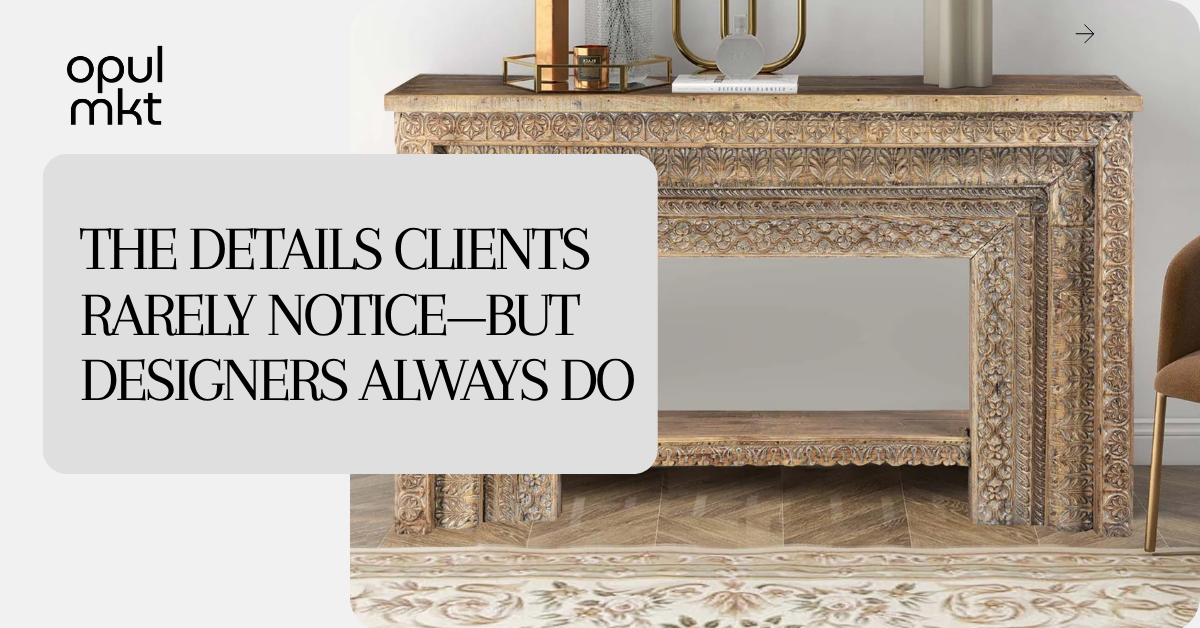
When it comes to interior design, there are certain subtle details that designers care deeply about, but may not always be immediately apparent to clients. These nuances can make all the difference in creating a space that not only looks beautiful but also feels truly exceptional. As Cynthia Oswald, a creative entrepreneur and designer, notes, understanding the intricacies of surface design, fine art, and branding can elevate a space from merely functional to truly remarkable. In this article, we'll delve into the world of interior design client consultation, exploring the importance of understanding client needs, aesthetics, and functionality in creating personalized and effective interior design solutions.

A well-designed space is not just about aesthetics; it's also about creating an atmosphere that resonates with the people who inhabit it. As designers, we understand that the devil is in the details – from the texture of a rug to the finish of a light fixture. These subtle elements can greatly impact the overall feel of a room, influencing everything from mood to productivity. By prioritizing these details, designers can create spaces that not only reflect their clients' personal style but also cater to their unique needs and preferences.
For instance, when working with clients to develop a design brief for an interior project, it's essential to consider the interplay between form and function. This might involve selecting materials and finishes that not only look stunning but also provide the necessary durability and maintenance requirements for the space. By taking a client-centered approach to design, we can ensure that the final product is both beautiful and functional, meeting the needs of its occupants while also reflecting their personality and brand identity.

So, what are some of these subtle details that designers care about, and how can they be incorporated into the design process? Let's start with the fundamentals: color, texture, and pattern. These elements can greatly impact the ambiance of a space, and when used thoughtfully, can create a harmonious and inviting atmosphere. For example, a carefully curated color palette can influence mood and energy levels, while a mix of textures can add depth and visual interest to a room.
In addition to these fundamental elements, designers must also consider the role of lighting in creating a cohesive and functional space. This might involve selecting light fixtures that not only provide adequate illumination but also complement the overall aesthetic of the room. By balancing form and function, designers can create lighting schemes that are both beautiful and effective, enhancing the overall experience of the space.
Another crucial aspect of interior design is the incorporation of fine art and decorative elements. These pieces can add an extra layer of personality and sophistication to a space, making it feel truly unique and reflective of its occupants. When selecting art and decor, designers must consider the client's personal taste, as well as the overall style and aesthetic of the space, to ensure that the final product is cohesive and effective.
Practical Application
So, how can designers put these principles into practice, and what are some common mistakes to avoid? When working with clients, it's essential to establish clear communication and set realistic expectations from the outset. This might involve creating a detailed design brief, outlining the client's goals, preferences, and requirements for the project.
In terms of specification guidance, designers should always prioritize quality and attention to detail, selecting materials and finishes that meet the client's needs and budget. This might involve sourcing unique and bespoke pieces, such as handcrafted rugs or custom lighting fixtures, to add an extra layer of personality and sophistication to the space.
Common mistakes to avoid include neglecting the importance of lighting, color, and texture in creating a cohesive and functional space. By prioritizing these elements and taking a client-centered approach to design, designers can create spaces that are both beautiful and effective, meeting the needs of their clients while also reflecting their personal style and brand identity.
Curation Insight
When it comes to curating a space, designers must consider the subtleties of aesthetics and functionality, selecting pieces that not only look stunning but also provide the necessary functionality and durability. This might involve mixing high-end and affordable pieces, as well as incorporating vintage or antique items to add an extra layer of depth and character to the space.
To evaluate the quality of a piece, designers should consider factors such as materials, craftsmanship, and attention to detail. By prioritizing these elements, designers can create spaces that are not only visually stunning but also functional, durable, and reflective of their clients' unique needs and preferences.
FAQ
The most important aspect of interior design is creating a space that reflects the client's personal style and meets their unique needs and preferences. This involves prioritizing aesthetics, functionality, and attention to detail to create a cohesive and effective space.
Designers can ensure that their clients' needs are met by establishing clear communication and setting realistic expectations from the outset. This might involve creating a detailed design brief, outlining the client's goals, preferences, and requirements for the project.
Lighting plays a crucial role in interior design, as it can greatly impact the ambiance and functionality of a space. Designers must consider the type, quality, and placement of lighting fixtures to create a cohesive and effective lighting scheme.
Designers can incorporate fine art and decorative elements into a space by selecting pieces that reflect the client's personal taste and style, as well as the overall aesthetic of the space. This might involve mixing high-end and affordable pieces, as well as incorporating vintage or antique items to add an extra layer of depth and character to the space.
Conclusion
In conclusion, the subtle details that designers care about can make all the difference in creating a space that is both beautiful and functional. By prioritizing aesthetics, functionality, and attention to detail, designers can create spaces that reflect their clients' unique needs and preferences, while also meeting their practical requirements. Whether you're a designer or a client, understanding the importance of these subtle details can help you create a space that is truly exceptional.
Explore Related Design Directions
For more information on interior design and how to create a space that reflects your personal style, visit our collections page to explore our range of luxury furniture, fine art, and decorative elements. You can also visit our about us page to learn more about our team and our approach to design. Additionally, be sure to check out our living room collections and bedroom collections for inspiration on how to create a cohesive and functional space.
At Opul Mkt, we're dedicated to providing our clients with the highest quality design solutions, from bespoke furniture to fine art and decorative elements. Our team of experienced designers and curators are passionate about creating spaces that are both beautiful and functional, and we're committed to helping you bring your design vision to life. Visit our trade program page to learn more about our services and how we can help you achieve your design goals.


Leave a comment
This site is protected by hCaptcha and the hCaptcha Privacy Policy and Terms of Service apply.